
Published November 11, 2025
Spurs Arena Deal Approved: How Props A & B Impact San Antonio Real Estate Growth

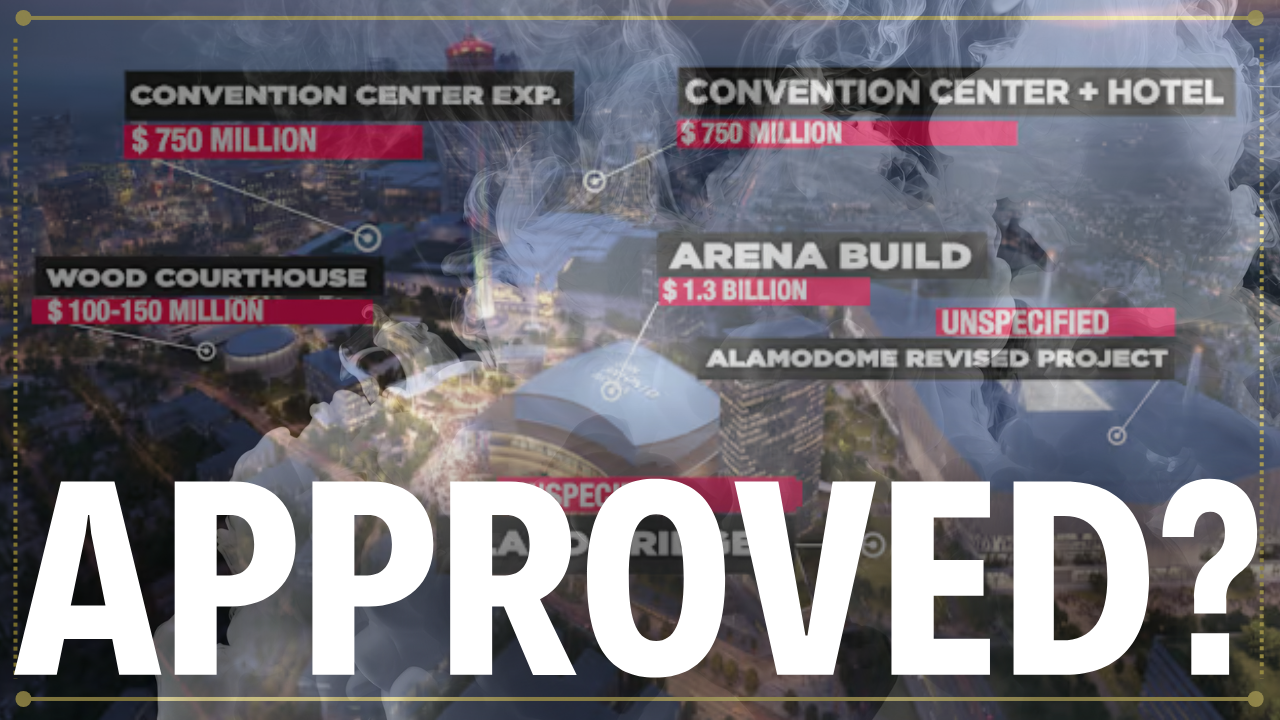
Did San Antonio Just Green-Light a $1.3 Billion Arena Deal? And Why You Should Care (Yes, You.) 🏟️💸
Pause your cat-video binge for a second… because yep, San Antonio just said “yes” to a multi-billion-dollar arena deal. And no, your HOA isn’t involved—yet. 😳🏟️
This isn’t just another flashy press release—it’s a major turning point for the Alamo City, with potential ripple effects across downtown, the I-35 corridor, Far West Side neighborhoods, and the East Side. Whether you’re a current homeowner, investor, or future buyer, this development could impact your property values, lifestyle, and local economy. Let’s break it down.
The Scoop: Props A & B
Earlier this year, Bexar County voters passed Propositions A and B, marking a significant vote of confidence (or curiosity) in downtown development:
-
Prop B greenlit Project Marvel, a $1.3 billion redevelopment plan that includes a brand-new San Antonio Spurs arena downtown. This isn’t just a stadium—it’s an entire entertainment district with retail, residential spaces, improved infrastructure, and an expanded convention center. Early plans for a land bridge spanning I-37 are off the table, but the arena and surrounding development are moving full steam ahead.
-
Prop A focuses on the East Side, funding $191.8 million in upgrades to the Frost Bank Center and Freeman Coliseum, transforming the area into a year-round hub for events, trade shows, and entertainment. This is a bid to keep the East Side vibrant even as downtown gets a major boost.
Funding? The model relies primarily on visitor-driven taxes—raising the hotel occupancy tax from 1.75% to 2% and extending a rental-car tax—so locals technically aren’t directly paying, but the indirect effects may hit budgets through increased property demand, traffic, and services.
Why This Matters to YOU
You might be thinking: “Cool story, but I’m not a season ticket holder. Why should I care?”
Here’s why it matters across San Antonio’s real estate landscape:
1️⃣ Neighborhoods & Home Values:
Downtown revitalization tends to radiate outward. Upgrades to the arena and surrounding district often increase property demand, boost infrastructure, and raise home values—not just downtown, but along the I-35 corridor, in the Urban Core, and even the Far West Side. Savvy buyers and investors watch these signals closely.
2️⃣ Your Wallet:
Tourists are technically funding this through hotel and rental-car surcharges, but expect secondary impacts. More visitors can increase traffic congestion, influence local services, and even indirectly nudge property taxes up in certain areas. It’s a ripple effect that stretches from the East Side to the I-35 corridor.
3️⃣ Future Home Searches:
If you’re eyeing neighborhoods like the East Side, downtown fringes, or the Urban Core, now’s a critical time to pay attention. Properties near major developments typically see increased buyer competition and faster appreciation. Meanwhile, the Far West Side could also benefit from spillover growth as demand spreads citywide.
4️⃣ Community Impact:
More development means more amenities, entertainment, and jobs—but also more questions about affordability, traffic, and long-term equity. Prop A ensures the East Side remains a hub, while Prop B drives downtown growth, creating a delicate balance between expansion and community preservation.
Reality Check: Exciting, But Not Perfect
Yes, renderings are flashy, press releases are exciting, and media buzz is intense. But let’s not pretend everything will sparkle overnight. Critics argue:
-
The plan is rushed and opaque in parts.
-
Public funds, even if sourced from visitors, carry long-term risk.
-
Residents worry about neighborhood impact, transparency, and affordability.
So if you find yourself shopping or dining near the new arena, remember: your tacos might come with extra traffic. 🌮🚦
The Bigger Picture for San Antonio Real Estate
Project Marvel isn’t just a sports story—it’s a real estate story. Here’s how it could reshape key San Antonio markets:
-
Urban Core: Expect increased investment, luxury condos, and revitalized retail corridors. Downtown may become more attractive for professionals seeking a walkable lifestyle.
-
I-35 Corridor: The corridor connecting downtown to north and south markets could see increased commercial and residential interest, particularly as infrastructure improves.
-
Far West Side: While slightly removed, growth can ripple outward. Enhanced city visibility and new entertainment options make the area more appealing to buyers seeking suburban space with urban access.
-
East Side: Prop A ensures long-term vibrancy here, with upgraded venues attracting events, conventions, and tourism. That translates into higher demand for residential properties, especially those near upgraded cultural hubs.
What This Means for Homeowners and Buyers
For current homeowners, expect property value appreciation as downtown and East Side areas revitalize. For buyers and investors, this is a signal to act strategically. Being proactive in neighborhoods near the arena or upgraded East Side venues could secure prime locations before prices rise further.
Garza Home Team San Antonio Real Estate has observed these trends: when major developments like arenas, retail districts, or cultural hubs arrive, home values increase, demand spikes, and competition intensifies. That’s why monitoring these projects is critical for anyone serious about real estate in San Antonio.
Wrap-Up: Your Move
So… what do you think? Is this the game-changer San Antonio needs, or just a very expensive fantasy play?
-
Are you considering downtown, I-35 corridor, Far West Side, or East Side real estate?
-
Will Project Marvel drive your next home search or investment decision?
Drop your thoughts, tag a friend, and if you’re eyeing a move, now’s the time to strategize. Because in San Antonio, big developments like this don’t wait for anyone—and neither should your real estate decisions. 😉

Jesse Rene Garza
| Garza Home Team | Keller Williams City View
or another way